
KLC1000 UV Flame Detector – Low-NOx Burner & Blue Flame Detection
KLC1000 is a high-sensitivity UV flame detector designed for flame supervision in low-NOx burners and challenging combustion environments. It is especially suitable for detecting faint light-blue flames generated by alcohol-based fuels, methanol, biodiesel, and other new energy fuels.
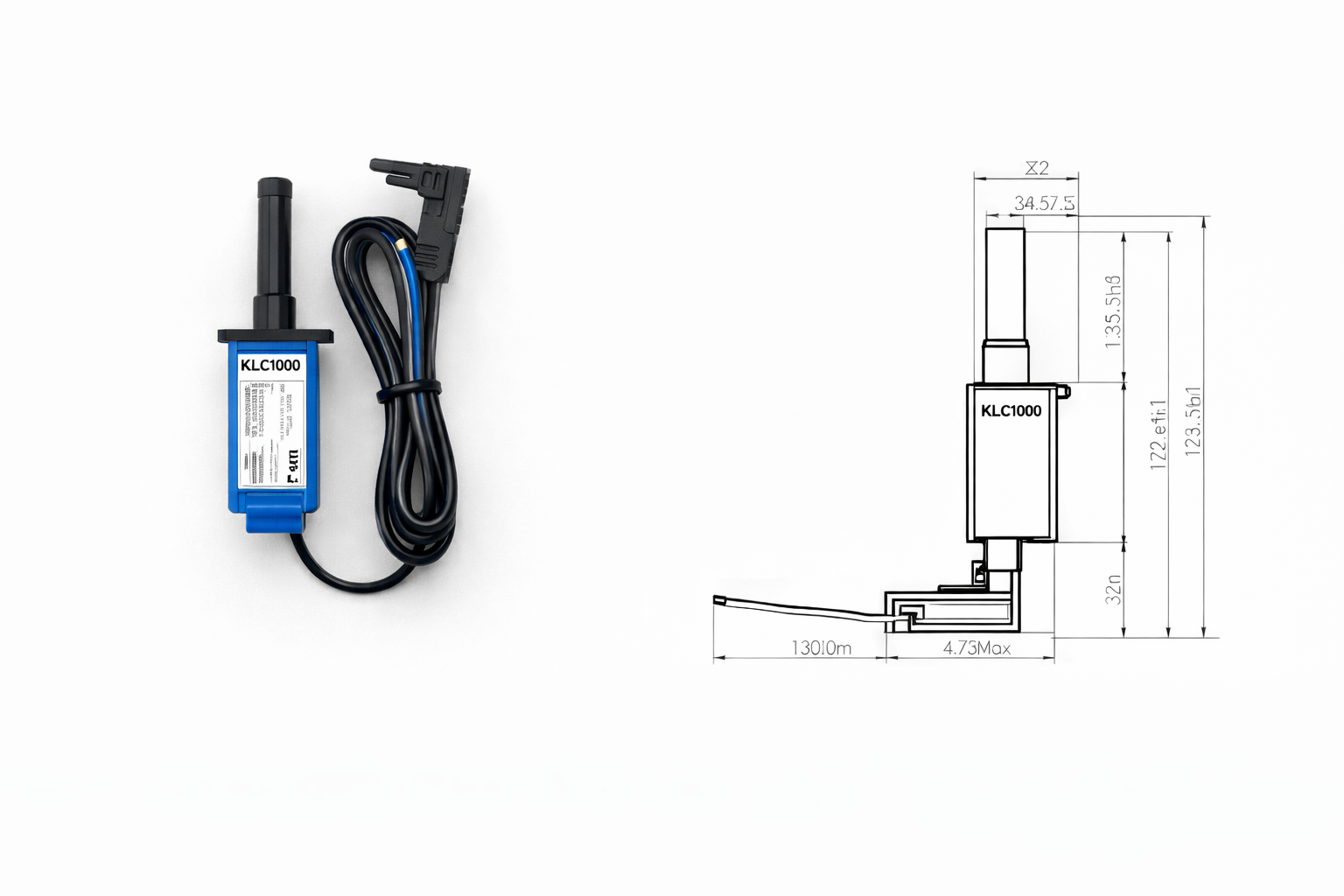
Key Features
- High sensitivity for detecting weak and light-blue flame signals in low-NOx burner applications
- UV-only detection: detects flame UV radiation only, not natural light
- Strong immunity to visible light sources for stable and reliable flame monitoring
- Stable operation performance for continuous industrial combustion supervision
- Dust-resistant structure design for improved durability in harsh environments
- Designed for safety-critical burner management and combustion control systems
Typical Applications
- Low-NOx industrial burners
- Alcohol-based fuel combustion systems
- Methanol / biofuel / biodiesel flame monitoring
- Industrial boilers, furnaces, and thermal systems
- Burner Management Systems (BMS) and combustion safety control
- New energy fuel burners producing faint blue flames
Technical Overview
KLC1000 is an industrial UV flame detector optimized for applications where flame signals are weak, especially in low-NOx burner systems and alternative fuel combustion.
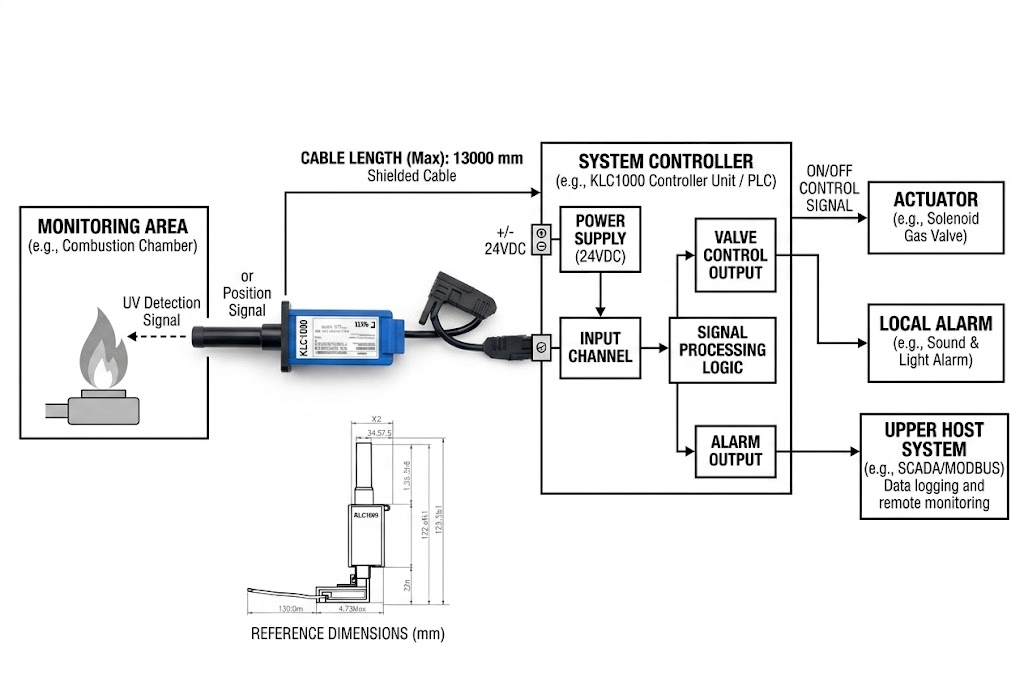
By focusing on the UV spectrum emitted by the flame, KLC1000 avoids false detection caused by visible light sources and is not affected by natural light, improving safety reliability in combustion monitoring.
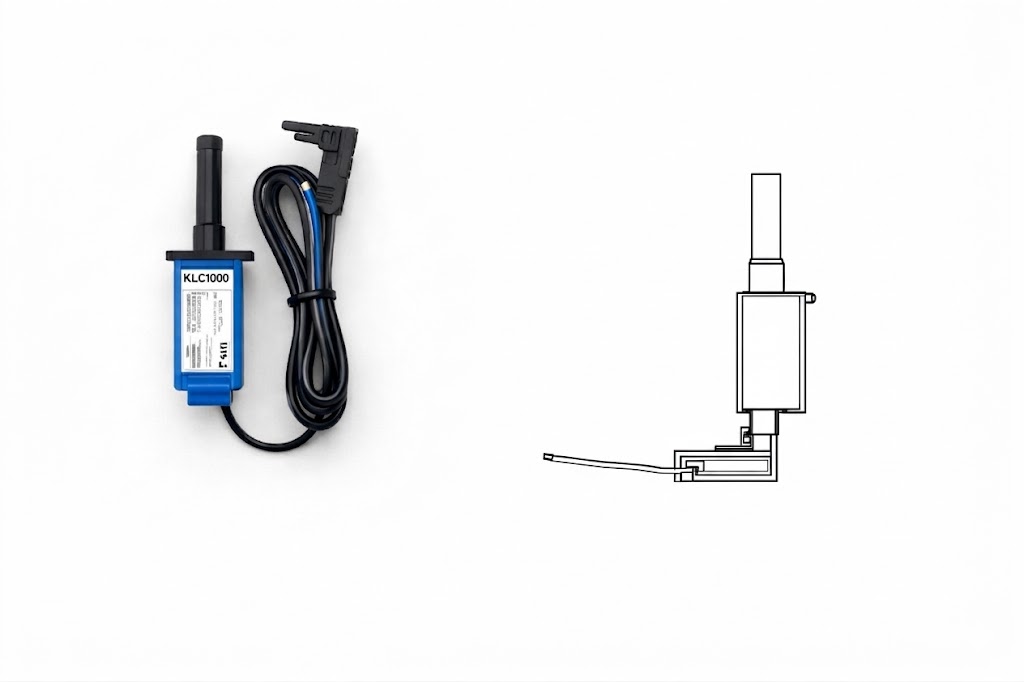
Product Overview & Dimensions
Specifications
- Spectral response: available in datasheet
- Operating voltage: available in datasheet
- Output signal: available in datasheet
- Response time: available in datasheet
- Operating temperature: available in datasheet
- Housing / protection: available in datasheet
- Mechanical dimensions: available in datasheet
FAQ – KLC1000 UV Flame Detector
What is KLC1000 designed for?
Can it detect light-blue flames from new energy fuels?
Is it affected by visible light or natural light?
Does KLC1000 work in dusty environments?
How do I select the correct model and confirm compatibility?
Related Categories
Get a Quote / Request Model Confirmation
Tell us your target replacement model, burner type, fuel type, and application conditions—our engineers will recommend the best match.
KLC1000 UV flame detector Engineering Review
Concise selection notes for engineers, buyers, and maintenance teams before sampling or replacement review.
The KLC1000 UV flame detector page is designed for engineers comparing industrial UV flame detection products, replacement options, and integration requirements. Sartec Photoelectronics emphasizes practical compatibility, stable sensing performance, and cost-efficient replacement support.
When evaluating KLC1000 UV flame detector, check the target model, mounting condition, electrical interface, response characteristics, operating temperature, amplifier compatibility, and the electrical, mechanical, output-interface and control-system adaptation required by the application.
Related resources include UV flame detectors, CHECK LIGHT UV flame sensors, and engineering support. For broader combustion safety context, engineers may also review NFPA.
What is the key selection point for KLC1000 UV flame detector?
The key point is confirming electrical, mechanical, optical, and application compatibility before using KLC1000 UV flame detector in an industrial system.
Can KLC1000 UV flame detector support replacement projects?
Yes. It can support replacement evaluation when the original model, circuit, mounting, and operating conditions are reviewed carefully.
How can Sartec help with KLC1000 UV flame detector?
Sartec Photoelectronics can review model numbers, application details, and cross-reference requirements for UV flame detection projects.
Integrated UV detector resources: compare UV flame detectors, review industrial flame detection applications, access datasheets and technical documents, or request an engineering review. Review the Low-NOx and blue flame detection guide for application-specific selection points.